
Table of Contents
Strategic website redesign conversions: why a prettier site is not enough
Most business owners talk about a redesign when the website starts to feel old. The colours look dated. The layout feels clunky. Competitors look sharper. Those things matter, but they are not the real reason to rebuild.
A strategic website redesign is about enquiries. If your site gets visitors but too few phone calls, quote requests, bookings, or form submissions, the design is only one part of the problem. The website may be making people hesitate, sending them to the wrong page, hiding the next step, or loading too slowly on mobile.
For small businesses, that quiet loss adds up. A site that loses two decent enquiries a month is not just annoying. It can cost thousands in missed revenue over a year. That is why web design for Sydney small businesses should be treated as a sales and trust asset, not a cosmetic exercise.
Signs you need more than a tweak
A few text edits or a new image can help when the website foundation is strong. But if the structure is wrong, small changes will not fix the bigger issue.
Look for patterns. Are people visiting service pages but not contacting you? Is mobile traffic high while conversions stay low? Do customers ask questions that the website should already answer? Does the business feel more professional than the site makes it look?
Other warning signs are just as practical: slow pages, hard-to-tap buttons, vague calls to action, an outdated WordPress theme, no clear service pages, thin copy, forms that feel too long, or a site that nobody on the team can update. At that point, the issue is not decoration. It is friction.
Not sure whether to tweak or rebuild? Ask for a free website review. I will show you where the site is losing trust or enquiries before you commit to a redesign.
The pillars of a conversion-focused redesign
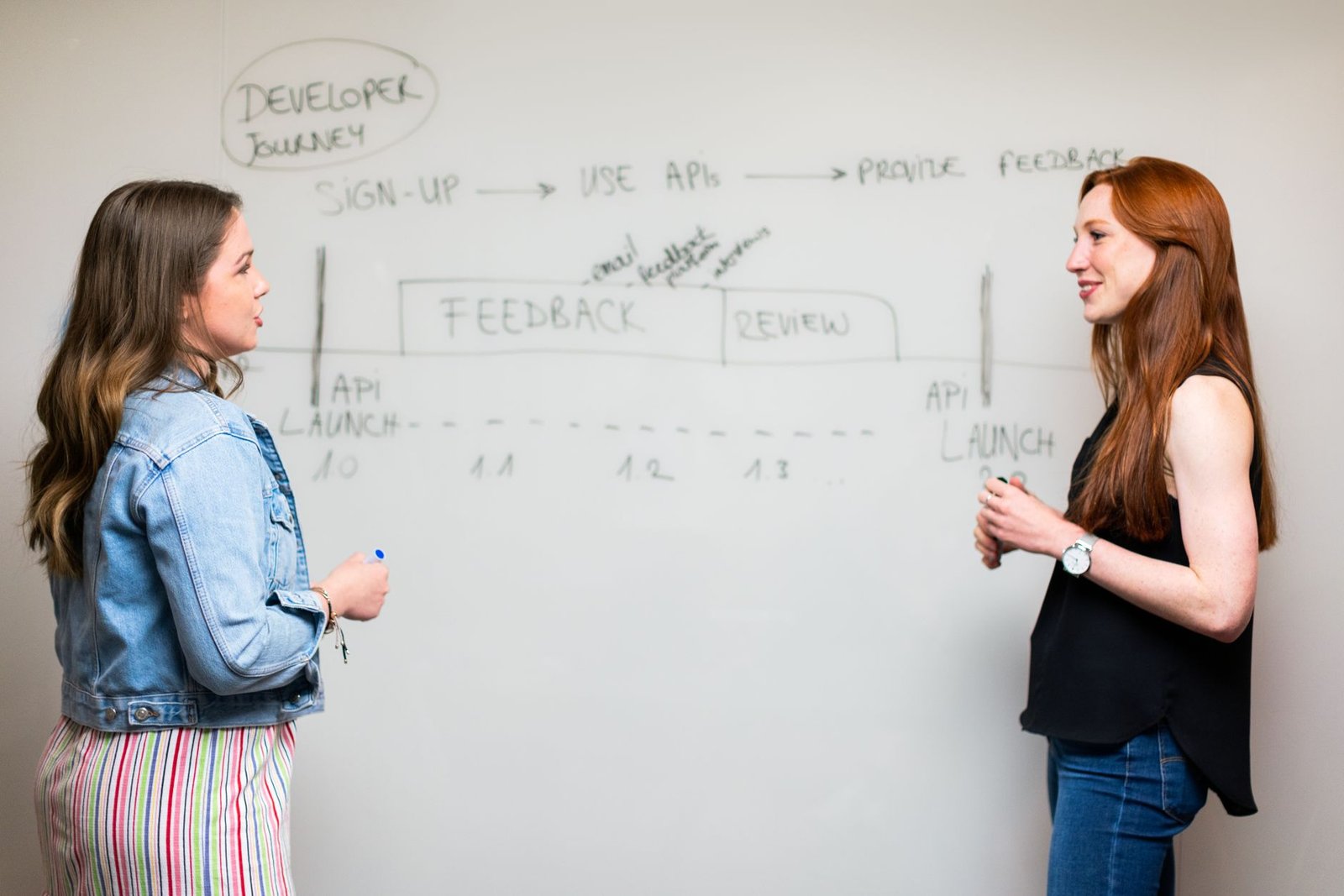
A conversion-focused redesign starts with the visitor journey. People need to land on the right page, understand the offer quickly, see enough proof to trust you, and know what to do next. Navigation should reduce effort, not show every page at once.
Copy matters just as much as layout. Good website copy speaks to the customer’s problem in plain language. It explains who the service is for, what happens next, and why the business is a sensible choice. This is where many redesigns fail: the new site looks better but says the same vague things.
Technical work is part of the conversion job too. Fast load times, clean mobile spacing, technical SEO, redirects, image optimisation, and accessible forms all affect whether people stay long enough to enquire. A useful redesign connects design, copy, SEO, and performance instead of treating them as separate jobs.
How Web Design Trek approaches redesigns
Before touching layout, Web Design Trek asks a simple question: what does success look like for your business? More quote requests, better-fit enquiries, booking calls, local visibility, fewer confused customers, or a site the team can update without stress?
Discovery and strategy come first. Then the design and build are shaped around the conversion path: clearer page hierarchy, stronger service copy, better calls to action, mobile-first layout, and a cleaner WordPress setup. The site is tested before launch so forms, links, redirects, page speed, and mobile behaviour are not left to chance.
Proof also matters. The Nusa Logistics case study shows how a clearer, more professional online presence can support trust for service businesses. A redesign should make it easier for the right customers to say yes.
Redesign decision table
Use this quick table to decide whether your website needs small improvements or a proper rebuild.
| Problem | Small fix may work | Redesign is likely better |
|---|---|---|
| Low enquiries | One landing page has weak CTA copy | The whole site has unclear offers and no conversion path |
| Mobile experience | One section needs spacing changes | Menus, forms, images, and layouts are all awkward on phones |
| SEO | Missing titles or thin copy on a few pages | Service structure, URLs, speed, and content are all weak |
| Updates | A few content blocks are hard to edit | The platform or theme makes normal updates risky |
If a rebuild is the right move, choose website redesign packages that include strategy, copy structure, mobile testing, and launch checks. A prettier homepage on its own is not enough.
Website redesign FAQ
What makes a website redesign strategic?
A strategic redesign starts with business goals, user flow, conversion paths, SEO, speed, and content. Visual design supports those decisions instead of leading them.
When should a small business redesign its website?
Redesign when the site gets traffic but few enquiries, is slow on mobile, is hard to update, lacks clear calls to action, or no longer reflects the business.
Will a redesign improve conversions?
It can, if the redesign fixes the real barriers: unclear messaging, weak proof, poor mobile usability, slow pages, and confusing enquiry paths.
A redesign should earn its keep
A website redesign is an investment when it fixes a business problem. It should help people understand your offer faster, trust you sooner, and enquire with less friction. If it only changes the surface, it will not do enough.
Before you spend money on a new look, get clear on the outcome. If you want a practical review of what is holding your site back, book a free website audit with Web Design Trek and start with the parts that are most likely costing conversions.
One Response